Cold-weather riding presents a familiar challenge for equestrians. Mornings at the barn often begin with freezing hands and stiff fingers, only to turn into an overheated ride once work begins, placing unique demands on what you wear.
Layering clothing for horse riding isn’t about piling on clothing. It’s about choosing the right pieces, in the right order, so your body temperature stays regulated without interfering with your position, mobility, or focus. A thoughtful layering system allows you to adjust as conditions change, keeping you comfortable from grooming through cooldown while maintaining a clean, professional look.
At JODS, we approach layering the same way we approach show attire: with intention. Each layer should serve a purpose, complement the others, and hold its own when removed. When done correctly, layering supports how you ride and how you present yourself, whether you’re schooling at home or preparing for a long day at a winter show.
Layering Clothing for the Equestrian Rider: Dressing for Performance in Cold Weather
Cold weather doesn’t have to limit progress in the saddle. When your clothing supports movement and temperature regulation, it becomes easier to stay focused and ride effectively.
Layering allows riders to adapt to changing conditions without distraction. Instead of adjusting bulky sleeves or overheating mid-ride, you can concentrate on rhythm, balance, and feel.
A thoughtful layering system also extends your riding season. Rather than avoiding winter work, you’re equipped to ride comfortably and consistently year-round.
The Foundation: Sophisticated Baselayers
Your baselayer is the most important component of your cold-weather riding wardrobe. It sits directly against your skin and plays a key role in regulating body temperature throughout the day.
In riding, the body produces heat quickly, especially during flatwork or jumping. If moisture is trapped against the skin, that heat disappears just as fast once movement slows. Cotton shirts, while comfortable at rest, absorb sweat and hold it, which can leave you chilled during breaks or cooldowns.
A proper baselayer is designed to manage moisture. Technical fabrics pull sweat away from the skin, allowing it to evaporate while keeping your core warm and dry. Many modern baselayers also provide light compression, which supports movement without feeling restrictive.
The Chloe Technical shirt is designed with moisture-wicking and breathable performance fabric that keeps riders dry and cool during long training sessions or rides. Its 4-way stretch construction moves with your body, providing unrestricted mobility in the saddle, while the high collar and ventilation along the shoulders help protect from sun exposure and boost airflow. These features make it a comfortable and functional base layer that supports performance and layering under a show coat or jacket.

Fit matters just as much as fabric. A baselayer should sit smoothly under breeches and mid-layers, without bunching or shifting. Slim, streamlined pieces allow for easy layering and reduce bulk at the waist and shoulders. This creates a clean silhouette and ensures nothing interferes with your seat or leg contact.
The Mid-Layer: Versatile Sweaters
Once your baselayer is set, the mid-layer provides insulation. A mid-layer should feel warm when standing still, but never restrictive once you begin working.
We love natural fibers in our sweaters, such as cashmere, cotton, and merino wool. Rider favorites in two 100% cashmere options from Alashan: the Hearts and Hugs sweater, and the Alashan Lightning Bolt sweater. A warm sweater will retain body heat without limiting movement or creating excess volume. They add warmth while maintaining flexibility through the shoulders and arms.

Another advantage of a polished mid-layer is versatility. Many riders move between the barn, lessons, and errands throughout the day. A structured sweater over a baselayer transitions easily beyond the barn aisle without looking out of place.
The Core Essential: Equestrian Vests
For many riders, a vest becomes the most-used piece in their cold-weather wardrobe. Vests provide warmth where it matters most – your core – while leaving your arms free to move naturally.
Maintaining freedom through the shoulders and elbows is essential for consistent rein contact and balanced aids. A vest allows you to stay warm without sacrificing feel or flexibility.
Vests are also practical. They’re easy to remove or add while mounted and layer well over both baselayers and sweaters. Quilted styles, like the Samshield Chamonix Vest, add insulation, while soft-shell options offer wind protection with minimal weight.

From a presentation standpoint, a well-fitted vest adds structure and contrast to an outfit without overwhelming it. When paired thoughtfully, it creates depth and polish while remaining functional.
Outer Layers: Protection Without Compromise
Your outermost layer serves as protection against wind, cold, and light moisture. Unlike casual winter coats, riding outerwear must balance weather resistance with breathability and mobility.
The best outer layers block wind while allowing heat from inner layers to escape. Breathability matters: without it, riders quickly overheat once work begins.
Features to look for include adjustable cuffs, streamlined hoods, and materials that resist dirt and hair. A smooth outer fabric is easier to keep clean and maintains a professional appearance throughout the day.
Pieces like the Helly Hansen Crew Hooded Midlayer Jacket are an unrivaled choice when it comes to meeting these demands. Designed to protect against wind and moisture, while maintaining a slim profile, it layers easily without adding bulk.

This modern outerwear is engineered with HELLY TECH® Protection, ensuring you stay dry and comfortable. What truly sets this piece apart is its internal Polartec® fleece lining. It provides warmth without restricting movement, and breathable construction prevents overheating during active rides.
Whether you choose the classic wavy or a crisp white, this jacket acts as the sophisticated "anchor" when layering clothing for horse riding, proving that heavy-duty protection can, and should, look effortless.
Key Features to Look for in Outerwear
When choosing a riding jacket or shell, focus on function first:
|
Feature
|
Why It Matters
|
|
Windproofing
|
Prevents heat loss during fast work or outdoor rides
|
|
Breathability
|
Allows excess heat to escape as activity increases
|
|
Lightweight insulation
|
Provides warmth without limiting mobility
|
|
Dirt resistance
|
Keeps the jacket looking clean and polished
|
|
Adjustable details
|
Helps fine-tune fit and comfort
|
These elements work together to create an outer layer that supports long days at the barn without becoming cumbersome.
Four Essential Layering Pieces Every Rider Needs
Building your winter wardrobe is an investment and shouldn’t require endless options. A few high-quality pieces can cover most conditions when chosen thoughtfully.
-
Lightweight Technical Baselayers: Moisture-wicking, long-sleeve tops that fit close to the body and layer smoothly
-
Mid-Weight Sweaters: Provide insulation while maintaining flexibility and a clean profile
-
Tailored Vests: Warm the core while allowing full arm movement
-
Warm Jacket: Stay cozy during and after your ride with heavier outerwear.
When it comes to layering clothing for an equestrian rider, investing in these key pieces ensures comfort without sacrificing presentation.
Curating Your Palette and Accessorizing: Style Meets Function
True equestrian style has always been rooted in function and often comes down to planning. Clean lines, tailored silhouettes, and coordinated colors support movement and create a composed picture.
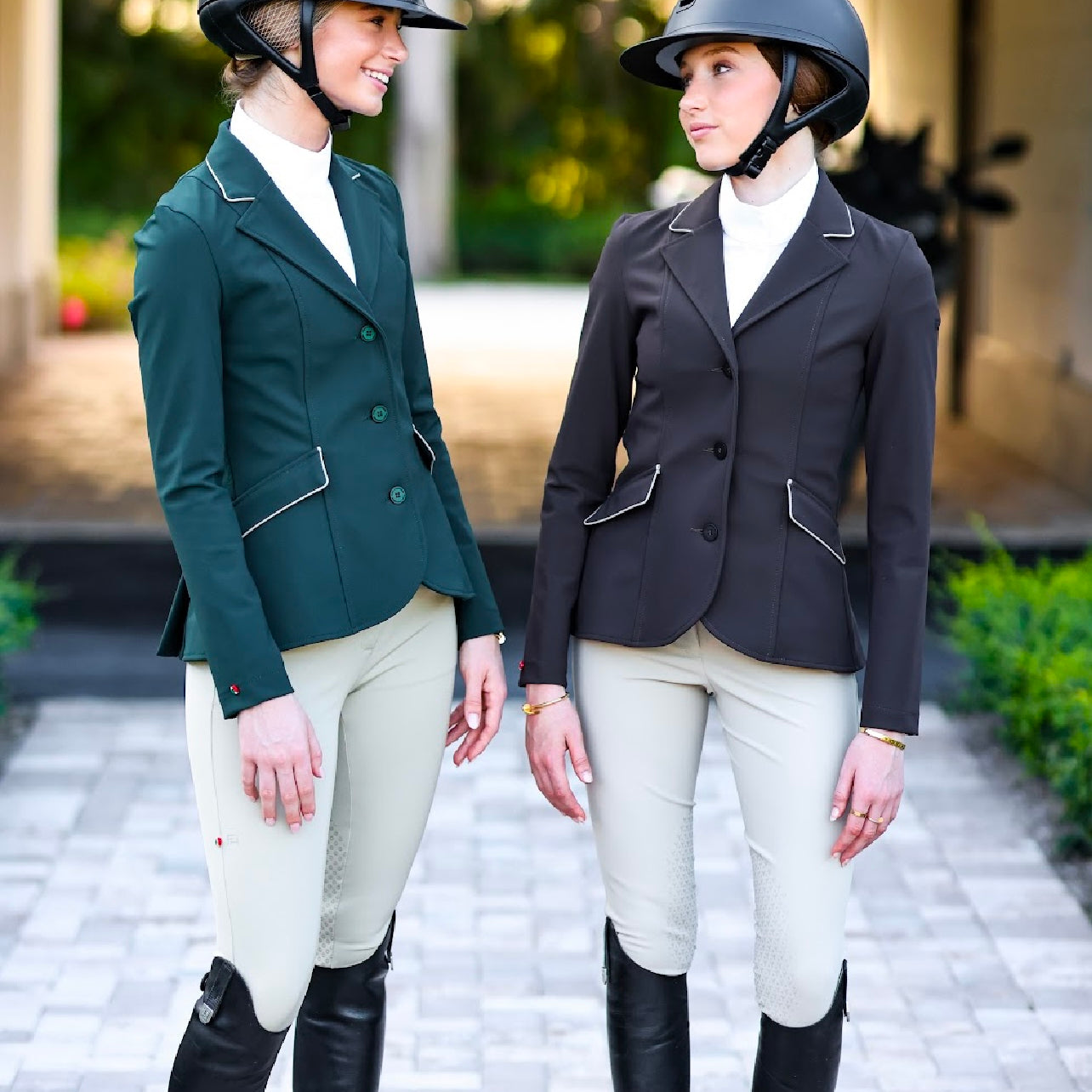
Rather than grabbing layers at random, choose a cohesive color palette that works across your wardrobe. By choosing a capsule wardrobe, all of your garments will work together in any layering combination: think of choosing a palette of blacks and greys that all coordinate. Or, choose camels, browns, and greens for a seamless earth-tone look.
When your wardrobe is built around a consistent palette, removing pieces throughout the ride doesn’t disrupt your overall look. If you warm up enough to ride in just a baselayer, you still appear coordinated and prepared.
Small details help bring an outfit together. A matching belt or a pair of technical socks that peeks out from your boots creates cohesion without drawing attention away from your riding. Mixing materials thoughtfully, such as pairing a quilted vest with a smooth sweater, adds a level of "richness" to your look.
Coordinated layering of clothing for equestrian riders isn’t about fashion trends. It’s about presenting a thoughtful, composed appearance that reflects preparation and experience.
A well-chosen selection of high-quality essentials goes further than an overstuffed tack trunk. By choosing pieces that layer intentionally and cohesively across your wardrobe, you’ll be able to create smart silhouettes that preserve warmth without compromising your ride.
Layer With Confidence at JODS
At JODS, we curate equestrian apparel with the same attention riders bring to their preparation. Each piece is selected for its ability to perform, layer well, and maintain a polished appearance.
Our collections focus on quality materials, thoughtful construction, and timeless design. Whether you’re schooling at home or heading to the ring, the right layers help you stay comfortable and confident in every phase of your ride.
Cold weather shouldn’t dictate your time in the saddle. With a well-planned layering system, you can stay warm, move freely, and present yourself with the same confidence you bring to every ride.
Explore JODS’ cold-weather riding apparel and build a wardrobe that works as hard as you do – season after season.
For the rest of the trunk, from paperwork to hair nets, see our guide on what to pack for a horse show.