Remember when safety gear meant choosing between protection and polish? Those days are over. Today's equestrian equipment has evolved into something you'll actually reach for: pieces that feel as considered as your favorite riding jacket, as refined as your show boots, and as essential as your everyday barn routine.
Modern protective gear has shed the bulk without compromising performance. Think sleek silhouettes, breathable fabrics, and finishes that photograph beautifully. Whether you're schooling at home or competing under the lights, you can stay protected and look effortlessly pulled together.
Riding is extraordinary, but it’s also unpredictable. Even the quietest horse can spook, and even the most experienced rider can have an off day. Smart safety gear supports confidence in the saddle. It’s a real investment in yourself, your longevity in the sport, and the ability to show up fully for every ride.
The Case for Safety Gear in Equestrian Riding
Most riders don’t dwell on risk until they’ve seen it up close: an unexpected spook, a refusal that turns into a tumble, a sudden stop, or a simple dismount that goes sideways. Riding is powerful and beautiful, but it’s also built around an animal with instincts and opinions. Add height, speed, and impact to the equation, and the stakes become clear.

That’s why head protection sits at the top of the list. A 2007 study by the Centers for Disease Control and Prevention found that horseback riding resulted in 11.7 percent of all traumatic brain injuries in recreational sports from 2001 to 2005, the highest of any athletic activity. UConn’s safety guidance reinforces the same concern, noting that a significant portion of equestrian fatalities are linked to head trauma.
And it doesn’t stop there. Falls often land through the torso, around the ribs, shoulders, back, and hips — areas that can take the brunt of the impact even when the head is protected. Recent research continues to highlight how frequently orthopedic and spinal injuries show up in riding accidents, which is exactly why modern protection has expanded beyond the helmet.
The takeaway is simple: helmets and protective gear should be included in every ride, not just on “big” days. Skill and experience sharpen judgment, but they can’t remove unpredictability, so being prepared becomes part of riding well.
Helmets That Combine Protection and Style: Featuring Samshield
A helmet is the single most important piece of riding safety equipment. When choosing one, these are the non-negotiables:
-
Safety Certification
Many riding programs and safety organizations recommend choosing a helmet that meets widely recognized safety testing. In practical terms, this usually means that it follows American Society for Testing and Materials (ASTM) standards, an organization that sets safety benchmarks, and carries a Safety Equipment Institute (SEI) mark, a third-party organization that verifies the helmet meets those standards.
You may also see a standard like ASTM F1163, which is simply the ASTM test standard written for equestrian riding helmets, so you know it’s designed and evaluated for riding impacts, not just appearance.
-
Fit That Stays Secure
A helmet only does its job if it fits your head correctly and stays put when you move. The goal is a snug, even feel all the way around (think “secure hug,” not “headache”).
-
Keep an eye on where the helmet sits. It should sit level on your head, covering the forehead and not tipped back. It shouldn’t feel like you need to pull it down more. If the helmet is sitting too high on your head, you need a larger size.
-
Check for movement. With the chin strap buckled, gently try rocking the helmet forward/back and side to side. It shouldn’t slide, spin, or lift off your forehead.
-
Watch for pressure points. The helmet should feel snug, but it should provide even pressure all the way around your head. Consider if you tend to get pain in either the front or sides of your head. This usually means you’re wearing the wrong shape of helmet.
-
Samshield offers three options on liners to fit a variety of head shapes. If you experience pressure on the forehead but the helmet rocks from side to side, try an oval liner. If your pressure point is on the side of your head, you’ll need a round liner.
-
Harness Adjustments. Once you’re happy with how the helmet fits, adjust the harness so it’s snug under the jaw (you should be able to fit about one or two fingers comfortably under the strap).
-
Hair matters. Try the helmet on the same way you’ll actually wear it — small changes can affect fit more than you’d think. If you always wear your hair up, the helmet should fit with your hair up. If you wear your hair up sometimes and down sometimes, you may need a thinner liner for your hair down, or even a different helmet.
When the fit is right, it feels secure, comfortable and balanced.
-
Style Meets Comfort
If a helmet fits poorly or is uncomfortable, it won’t become an everyday habit. Likewise, if you don’t like the look of your helmet, you may avoid wearing it.
Samshield has become the gold standard for riders who refuse to choose between protection and polish. Known for elegant silhouettes, premium finishes, and thoughtful construction, their helmets look as refined as the rest of your turnout. They also fit most riders very well, with four different shell sizes and numerous liners ranging from size 6 ½ to 8, with three different liner shapes to accommodate a large variety of riders.
Samshield also offers a wide variety of helmet options, from glossy, velvety, matte, or blingy. They offer something for everyone, from short stirrup, to amateur owner hunters, to Olympic riders.

Airbag Safety Vests: The Next Level of Rider Protection
Airbag vests have quietly revolutionized rider protection. When a fall happens, the vest inflates in about 100 milliseconds, which is fast enough to cushion your neck, spine, chest, ribs, and lungs before impact. It's like having an invisible safety net that only activates when you need it.
What has made the technology truly mainstream is its wearability. The newest designs are streamlined, breathable, and built to sit neatly over your riding layers without restricting your position or adding bulk. You can maintain an open posture, keep your core engaged, and present a polished appearance.
That's why air vests are no longer reserved for cross-country days. You'll see them in everyday training rides, in the jumper ring, hunter ring, and even top equitation classes. Because smart protection isn't about anticipating the worst but about riding with the confidence that you've invested in yourself.
Brand Spotlights: Helite & Animo — Safety With a Fashion-Forward Edge
When it comes to protection that still looks clean and elevated, these two brands are worth knowing.
Helite: The Technology Leader
Helite is widely recognized for pioneering airbag systems designed for rapid inflation and comprehensive coverage. Their Zip'In 2 Airbag Vest is a standout, designed to be worn on its own or integrated under compatible Zip'In outerwear for a more discreet, streamlined look. It's ergonomic, rider-friendly, and built for real-world use.
Animo: Refined and Ring-Ready
Animo is renowned for its equestrian apparel that seamlessly blends fashion with function, and its air vest options uphold the same sophisticated aesthetic. The Animo Airbag Safety Vest is designed specifically for women, with a sleek silhouette that provides impact protection for the chest and spine without compromising your look. It's the kind of piece that feels at home in a show environment because it was designed for one.

How Riders Can Integrate Safety Without Compromising Style
Making safety gear part of your routine is less about overhauling your wardrobe and more about choosing the right pieces and treating them properly.
Choose Smartly (and Realistically)
Select a helmet you'll wear for every ride: certified, comfortable, ventilated, and secure. Choose an air vest based on how you want it to fit into your wardrobe: wear it on top for simplicity, or opt for an integrated design for a streamlined silhouette with compatible garments.
Check Compatibility With Outerwear
Airbag systems can be worn under approved outer layers so the vest deploys correctly. Helite's user guide, for example, emphasizes correct pairing for Zip'In systems and warns against wearing the liner under non-approved garments. If an airvest is worn under a garment that has insufficient stretch, it may compromise the ability of the airbag to deploy fully (and will most likely ruin your outer layer).
Follow Care Guidelines So the Gear Performs When It Matters
-
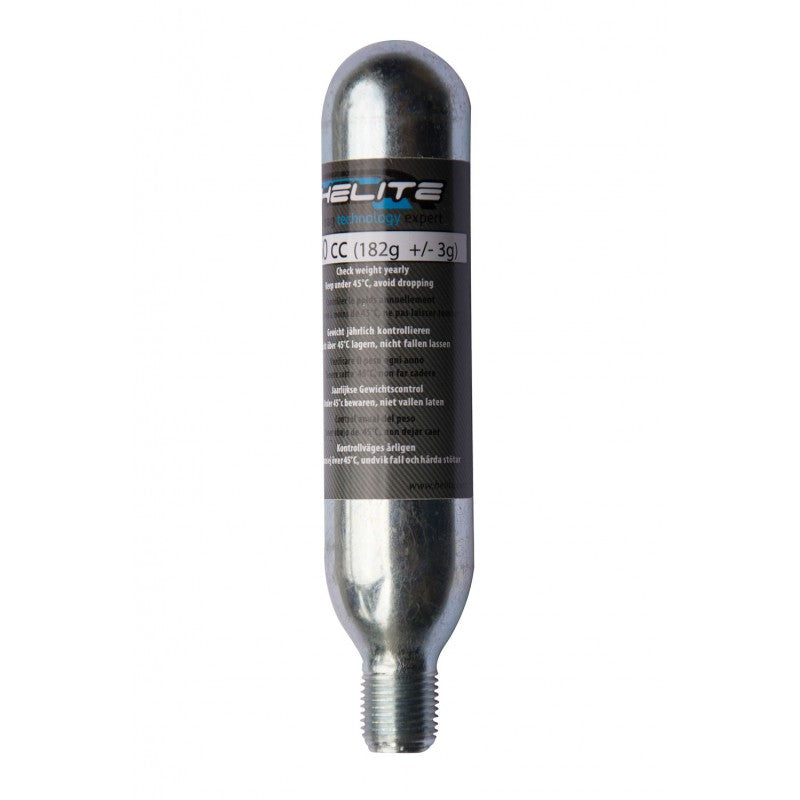
Air Vests: Avoid machine washing or immersing the airbag system in water. Clean with a soft cloth and soapy water or wipes, and avoid high heat. After deployment, replace the CO₂ cartridge (single-use) and recheck your setup before riding again. Check the airbag instruction to reset your cartridge–these need to be properly set in order to work. Store properly, hang it up, and avoid long-term folding.
-
Helmets: Clean gently and wash removable liners according to instructions. Never put the helmet shell in a washing machine or dishwasher. For Alcantara finishes, dust regularly with a soft brush. Matte shells can be cleaned with a soft cloth and gentle spray cleanser.
Make It Routine
The easiest way to stay protected is to make your helmet and vest automatic, worn for the quick ride, the 'easy' hack, and the day everything feels calm. Those are often the moments that catch us off guard.
Make “Safety Meets Style” Your Standard This Season
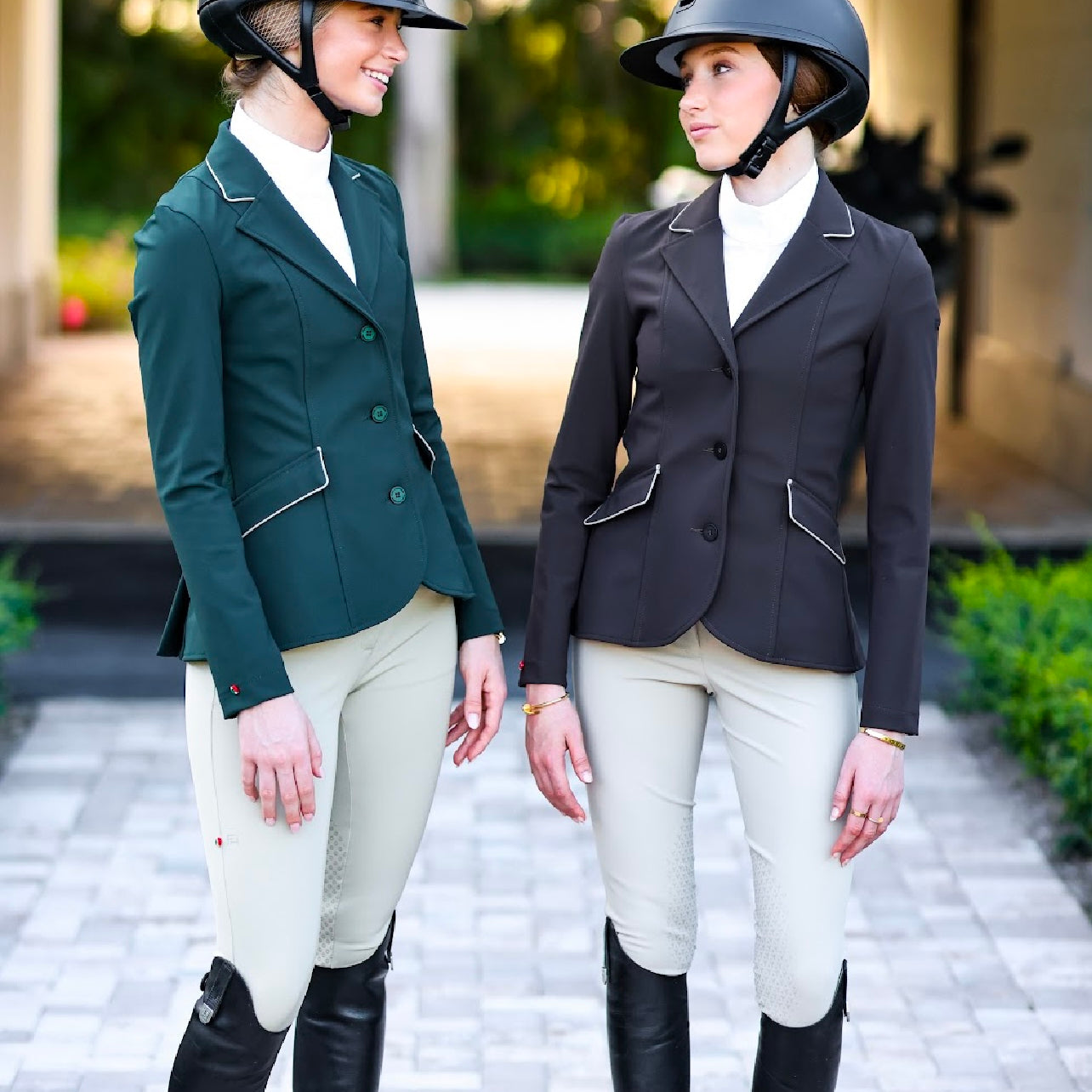
Modern equestrian gear has made it possible to ride with greater confidence without compromising the elegance that has always been a part of the sport. Today’s helmets and airbag vests are designed to protect, perform, and still complement a polished riding wardrobe beautifully. Safety meets style, and it looks right at home in every arena.
The real shift is treating protection as everyday equipment, not an occasional add-on. A certified helmet and an airbag vest deserve the same default status as your boots and breeches worn for training rides, quiet hacks, and show days alike. When it becomes routine, it becomes effortless.
At JODS, you’ll find premium, rider-trusted pieces that deliver both security and a refined finish, elevating your look while supporting your ride. Choose the gear that protects your future in the saddle, then wear it as it belongs there — because it does.
Shop protective gear at JODS for helmets and airvests, and make safety part of your signature look.