Hunter classes follow a traditional standard that values subtle, well-fitted clothing and polished turnout. Judges want to see a calm, balanced picture where horse and rider move as one. Your outfit should fit within that picture, not compete with it.
A clean coat, tan breeches, and tidy presentation show respect for the sport and for the effort behind every round. When your clothes fit correctly and feel comfortable, you can focus on your ride and let your horse take center stage.
If you’re assembling your outfit for a show, you’ll find everything you need at JODS. We offer a curated selection of pieces from both established brands and up-and-coming labels. Mastering show attire comes from recognizing the pieces that hold significance and the standards that elevate them. This guide highlights both.
The Standard Rules for Hunter Horse Show Attire
Hunter classes have both documented rules and unspoken expectations when it comes to appearance. One that isn’t explicitly stated in the United States Equestrian Federation (USEF) Rule Book but is well understood among riders is that you should never stand out for the wrong reason.
Judges want their attention on the horse, not the rider’s outfit. Flashy colors and bold patterns can distract from the quiet, polished look that defines the hunter ring and may work against you in presentation scores.
The goal is to look professional and put together. Every piece of clothing should contribute to a clean, balanced appearance that complements your horse’s turnout. The USEF Rule Book, as well as the United States Hunter Jumper Association (USHJA) guidelines, provide the official framework for what’s considered appropriate. However, tradition still influences most of what riders wear in the ring.
Below are the pieces most commonly required or expected in hunter classes:
-
Helmet: A properly fitted, ASTM/SEI-certified helmet is required at all recognized competitions.
-
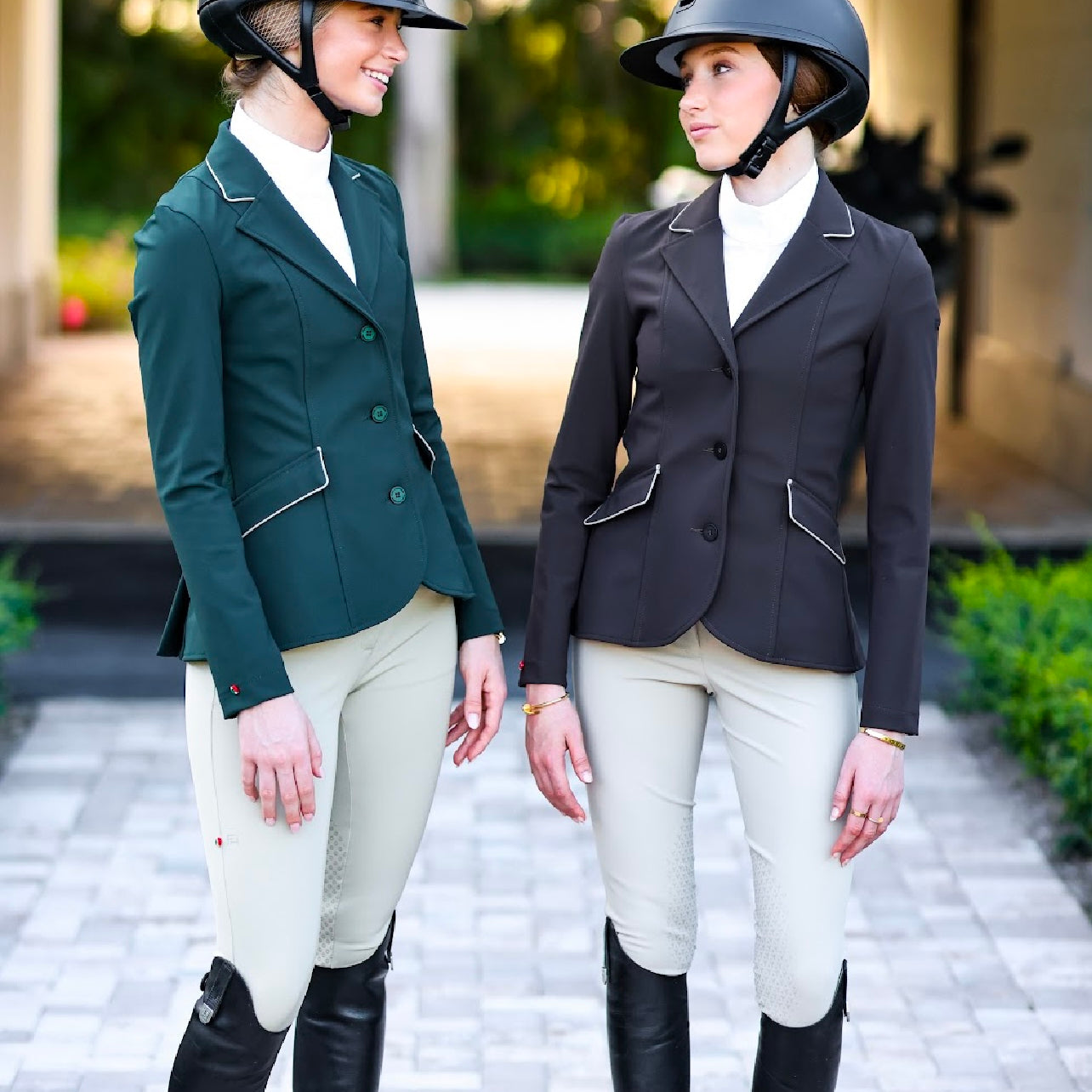
Hunt Coat: The show coat should be tailored but comfortable.
-
Show Shirt: Collared shirts with long or short sleeves are permitted, though long sleeves are most common.
-
Breeches: Tan or beige is the standard color for hunters. For younger riders, jodhpurs paired with paddock boots and garter straps are the traditional choice.
-
Boots: Tall black field boots are standard for juniors and adults. Younger riders may wear paddock boots with garter straps.
-
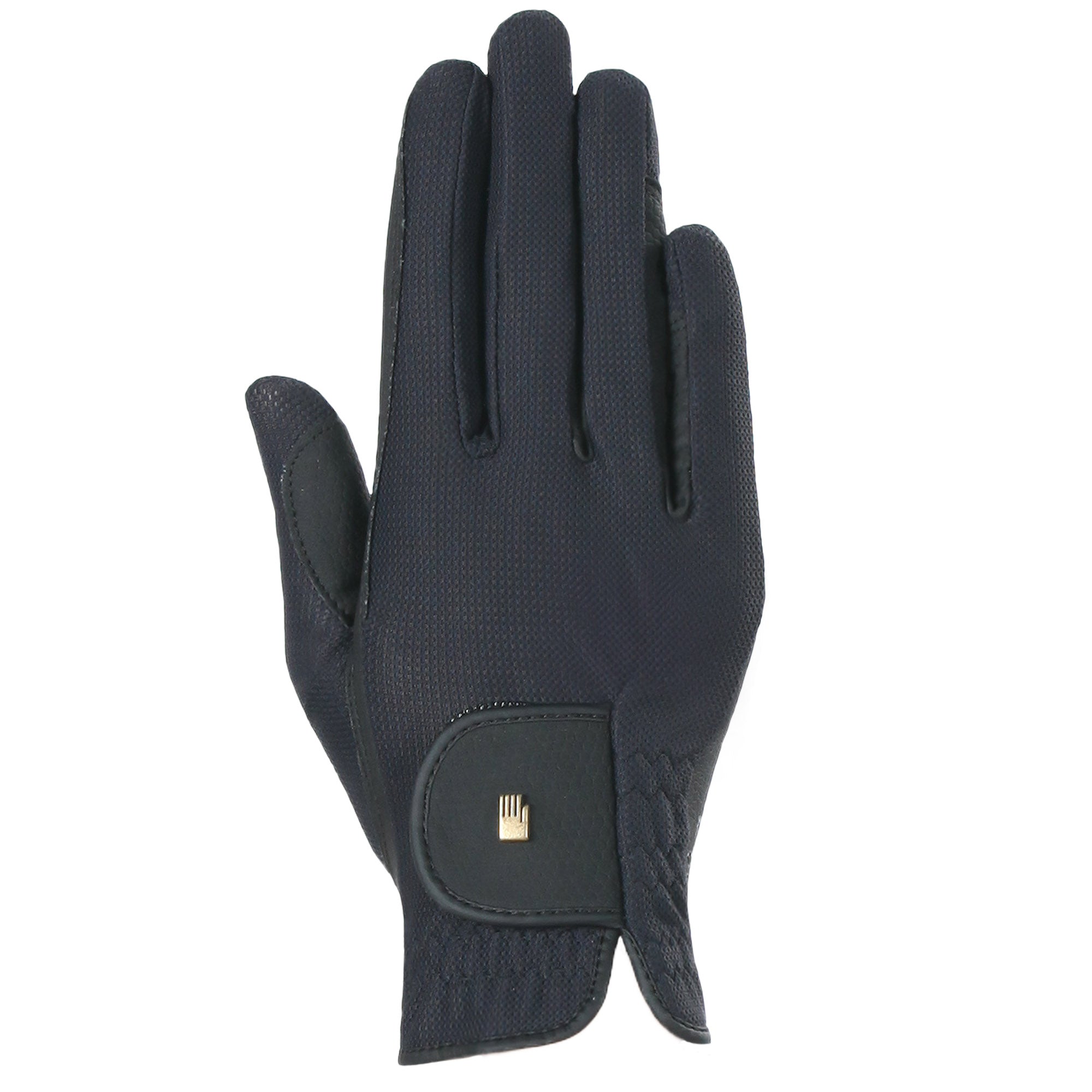
Gloves: Black or dark brown gloves finish the look and provide grip on the reins.
Muted colors such as navy, black, dark green, and gray remain the standard because they maintain a uniform, classic look. These shades photograph well, appear neat in motion, and create visual consistency across the division.
Schooling vs. Rated Shows
Rules are somewhat more flexible at schooling shows. A clean, fitted coat and tan breeches are still recommended, but you may see more variability in colors, with more second-hand gear in rotation.
Rated shows enforce formal standards under USEF and USHJA rules. Coats, shirts, and helmets must meet official requirements, and riders not in braids are expected to have hair tucked neatly under helmets.
Reading the current USEF Rule Book before each show helps avoid surprises. However, while minor updates might occasionally be made, the principles stay consistent: traditional, conservative, and respectful presentation from head to toe.
How to Dress for a Hunter Horse Riding Show as a Competitor
Your outfit affects not just how you look but also how you ride. For instance, well fitted, comfortable clothing supports good form in the saddle, while a poor fit can cause discomfort and distraction. Confidence is also important in riding, so feeling good in your outfit can go a long way to perfecting your round.
Helmets
A helmet is the most important part of your show attire, both for safety and appearance. In the hunter ring, judges expect a neat, understated look. Choose a certified ASTM/SEI helmet in a matte or low-sheen finish: black is the most traditional and widely accepted color. Not sure where to start? The Samshield Miss shield shadowmatt is our best selling helmet for hunter riders.

Hunt Coats
A well-fitted coat supports your posture and completes the professional outline judges expect in the hunter ring.
A proper hunt coat should fit close to the body without feeling tight across your shoulders or elbows. The sleeves should reach the wrist bone, and the hem should fall just below the seat when standing.
Smooth, tailored lines give the coat structure while allowing freedom of movement. Coats made from lightweight stretch materials offer more flexibility and breathability while keeping the traditional shape.
Navy and black are the most common colors for rated shows, though subtle tones such as French blue or dark green are also popular options and can help a rider stand out from the crowd.

Show Shirts
Hunter shirts are designed to stay crisp and fitted under a jacket. Currently, most riders wear white in the hunter ring. This has changed over the years, when brightly patterned or subtle pastel shades have dominated in the past. A current trend has been the bib style, or colorblock show shirt. This trend allows a rider to express herself with a colored shirt (and stay clean!), while maintaining the appearance of a white shirt when seen with a show coat on top.
The show shirt collar should stay smooth and secure when fastened, with no loose fabric at the neckline. Modern shirts use breathable, moisture-wicking fabric to keep riders cool while maintaining a traditional look. Magnetic or snap collars make it easy for a rider to secure her collar at the last minute.
Another innovation in the equestrian fashion world is the faux cuff on many show coats. RJ Classics offers this option on several of their jackets, which allows riders to choose a short sleeve show shirt without losing the classic look of a long sleeve show shirt.

Breeches
Tan or beige breeches are standard in the hunter ring. They coordinate with dark coats and help maintain the discipline’s understated tone. Rust-colored breeches are acceptable but are rarely seen outside of nostalgic divisions.
A good fit prevents slipping or bunching, which can affect position in the saddle. The fabric should stretch enough for ease of movement while keeping its shape through the seat and knee. Smooth seams, secure closures, and reinforced stitching keep the breeches functional through repeated wear. Hunter riders should wear knee patch breeches (not full seat). Traditional suede inspired knee patches or more modern silicone knee patches are both appropriate for the hunter ring.
For younger riders, the Tailored Sportsman Girls Jodhpurs: Tech Light Fabric provide stretch and comfort in a tan tone that meets hunter standards. The RJ Classics Collette Jodhpurs also serve younger competitors with quick-dry fabric and suede-look knee patches for durability.

Boots and Gloves
Tall black field or dress boots remain the traditional choice. They should fit closely through the calf and rise all the way to the crease in the back of the knee. Boots should be polished to a healthy gloss before entering the show ring. Gloves are usually black, with enough grip to hold onto the reins. The Roeckl grip gloves are a classic choice, while the Roeckl grip lite gloves offer more breathability for hot weather. Together, boots and gloves complete the rider’s outline and communicate polish and readiness.

Hair and Grooming
Hair should be tucked neatly under the helmet, often secured with a hairnet for a smooth finish. Jewelry should stay minimal. Judges notice small details that add up to a tidy presentation. A clean turnout is part of the discipline’s overall standard and shows care in preparation.
Hunter Attire: Balancing Traditional Aesthetic With Modern Performance
The look of hunter apparel has changed little over the decades, but the feel and functionality of it have improved dramatically. In the 1970s and 1980s, riders wore breeches and jackets made of heavy cotton twill or stiff polyester that offered no stretch and often caused chafing on long days. Show coats were made from dense wool that trapped heat during summer competitions. Riders might have looked the part, but they sacrificed comfort to do it. Helmets were thin shells that offered no real protection during a fall.
Fabric technology has since transformed show clothing. Today’s materials allow stretch, airflow, and flexibility without changing the traditional appearance of hunter attire. Riders can maintain the classic look without the discomfort and restriction of older pieces. Safety technology has transformed helmets into decorative show pieces into vital safety equipment. Air vests have taken this even further, providing an extra layer of protection by inflating when a rider falls.
Here are some factors to consider when choosing the perfect hunter show outfit that looks traditional but feels comfortable and modern.

Technical Fabrics
Modern coats feature lightweight, washable fabric that keep riders cool while preserving a traditional silhouette. Show shirts use smooth, breathable knits that resist sweat and maintain a crisp look under a jacket. Breeches are now made in a variety of materials, from lightweight, legging-like fabrics to thicker, compression fabric that moves with the rider. These materials make it possible to ride comfortably in heat or humidity while maintaining the correct appearance.

Fit and Function
As fabrics have transitioned into lighter weight, stretchy materials, rider preference on fit has evolved. No longer do you see the exaggerated puffy thighs on breeches, or oversized jackets. Modern equestrian gear should be tailored closely to the body, for breeches, jackets, and shirts.
Safety
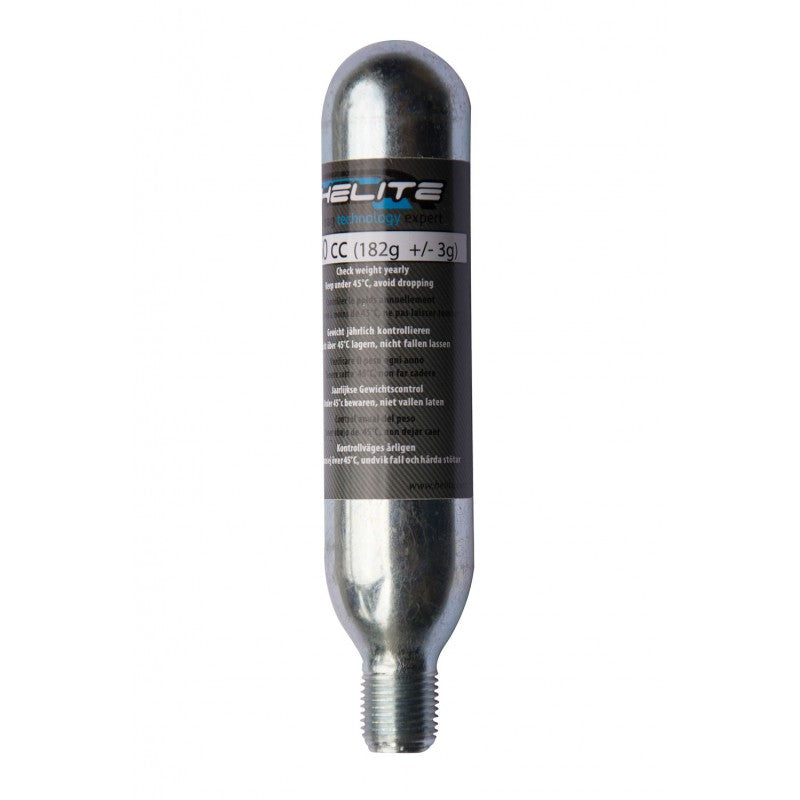
A growing recognition of the potential danger in equestrian sports has led to development of better and better safety equipment. Helmets used to offer no real protection, but now must meet rigorous standards to be sold on the US market. In addition, airbag safety vests have taken off in popularity. These vests are tethered to the saddle. When a rider falls, the tether pulls off of the saddle, and the vest deploys, using a CO2 cartridge to instantly inflate and protect the rider before landing.
Are Sparkly Helmets Allowed at Hunter Shows?
A small amount of sparkle is acceptable in the hunter ring, but moderation is key. Judges expect riders to present a quiet, traditional look, and anything too eye-catching can shift attention away from the horse.
Helmets with a matte finish or a narrow row of discreet crystals are generally acceptable. Models with minimal crystal accents are an excellent option for riders who prefer a touch of style without breaking too far from tradition. However, helmets with full glitter panels, colored stripes, or glossy finishes are discouraged in most hunter classes.

Tips for Preparing Your Hunter Show Outfit
Avoid stress and last-minute issues by planning your outfit well ahead of the big day. A little planning ensures your turnout meets the standards of the hunter ring, while a “dress rehearsal” allows you to confirm that everything fits and functions as it should.
Check the Fit
Try on your outfit several days before the show. Sit in the saddle, lift your arms, and move through your riding positions. Adjust anything that feels tight or out of place.
Keep Your Outfit Clean
Polish your boots, brush off dust, and check for loose buttons or marks on your coat. Keep breeches spotless and steam shirts the night before. Using garment bags and boot trees helps protect your clothes during travel.
Pack Smart
Forewarned is forearmed, so be sure to bring a spare shirt and gloves in case of bad weather or spills. Also, consider packing a rain jacket or vest that looks professional if you need it near the ring. A small kit with safety pins, wipes, a boot brush, and a lint roller can come in handy as well.

Show Day Routine
Dress early enough to make final checks without rushing, but avoid dressing too early if you have barn chores before your ride. Horse slobber, hoof polish, and bath bubbles should all stay far away from your show clothes!
What to Know as a Spectator
Spectators are part of the show environment, and their actions influence how safely and smoothly classes run. Understanding basic etiquette helps riders and horses stay focused.
-
Applaud at the Right Time: Wait until the round is complete. Sudden noise can distract competitors.
-
Skip the Umbrella: Horses can spook easily. Use a raincoat with a hood or a hat instead.
-
Wear Practical Footwear: Expect dirt, gravel, and uneven footing. Closed-toe shoes or boots are safest.
-
Give Horses Space: Ask before petting or feeding a horse, and stay clear of their hindquarters.
-
Be Aware Around Arenas: Avoid flash photography and sudden movements near the in-gate or warm-up ring.
These practices help ensure horses keep calm and riders stay focused, creating a better experience for everyone at the show.
How JODS Can Help You Perfect Your Hunter Show Attire
At JODS, we understand that presentation in the hunter ring reflects preparation, confidence, and respect for the sport. We carry carefully chosen pieces from leading brands that balance traditional style with modern performance, so riders can step into the ring looking composed and feeling ready to ride their best.
Expertly Crafted Show Apparel
Our hunt coats and breeches are tailored for a professional fit that supports movement. We offer styles suited to different preferences and body types so every rider can feel comfortable and confident in the ring.
Performance Meets Style
We select pieces made from fabrics that balance breathability with structure, giving riders freedom in the saddle without losing the traditional silhouette. Lightweight stretch materials stay cool and hold their shape through long show days.
Attention to Detail
Each piece we carry features durable stitching and thoughtful finishes that stand up to repeated wear. Quality construction keeps your attire sharp, reliable, and ready for the demands of competition.
Curated Selection
We bring together trusted brands that meet hunter standards for quality and fit. Coordinating coats, breeches, and shirts from one place makes it easy to build a show-ready look.
Purpose in Every Piece
We combine traditional tailoring with modern comfort to help riders perform at their best. Every item is chosen for its fit, function, and presentation in the ring.
Perfect Your Show Look With JODS
A polished turnout in the hunter ring reflects preparation and respect for tradition. The right pieces also help ensure comfort and freedom of movement, so you can concentrate on your ride and let your horse take the spotlight.
JODS is a trusted retailer of high-quality equestrian apparel. We offer clothing that helps riders look and feel ready for the show ring, whether it’s their first time in competition or one of many seasons on the circuit.
Explore JODS’ Hunter Collection and step into the ring with elegance and confidence.